 BEYOND× Senegal 2035
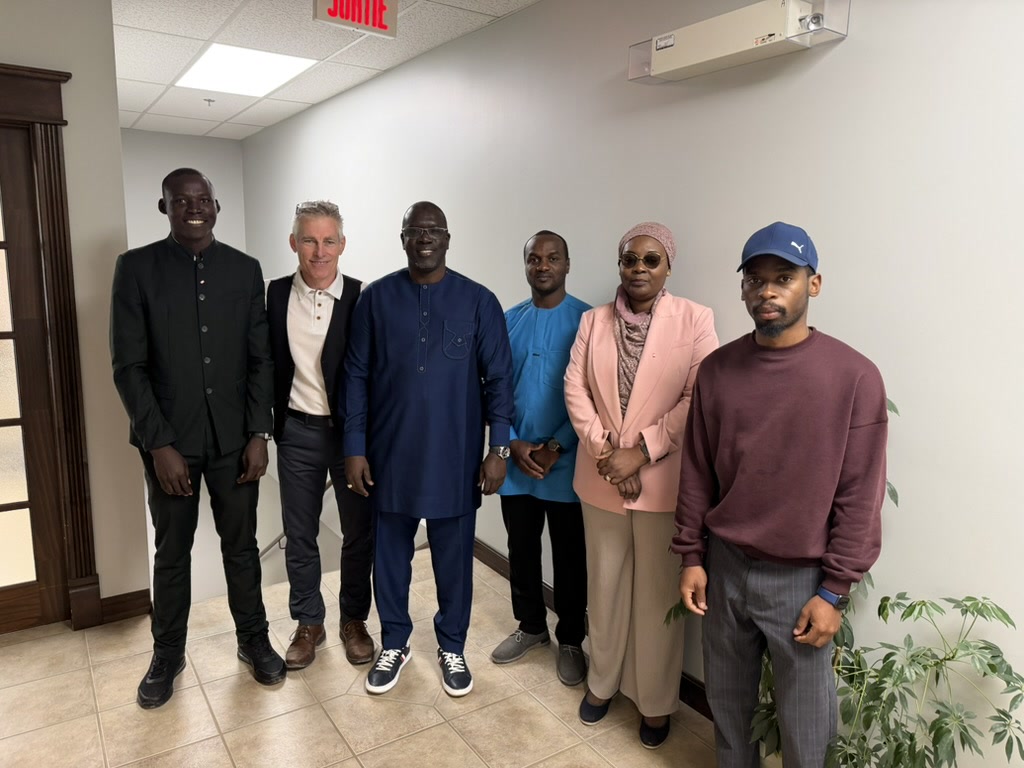
A conversation that leads to action
Senegal 2035
Equip the people who will produce. Build the production that enables entrepreneurship.
Listen to the podcast · new edition Connecting territory, skills and enterprise
November 11, 2026 edition · synthetic narrationDownload the script
Read the podcast script
Senegal twenty thirty-five. Learn, produce, build enterprises.
How can a local resource, a practical skill and a lasting business come together? That is the starting point of this vision from Beyond Sustainable Tech. A vision of cooperation to develop with Senegalese stakeholders, grounded in their needs, knowledge and priorities.
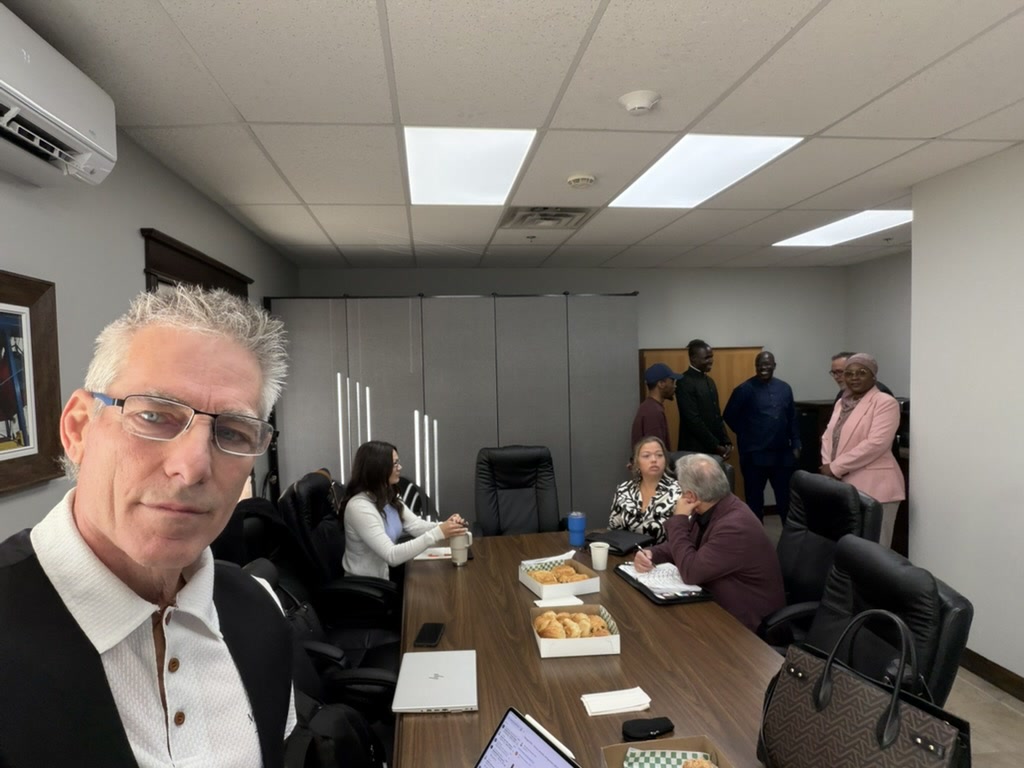
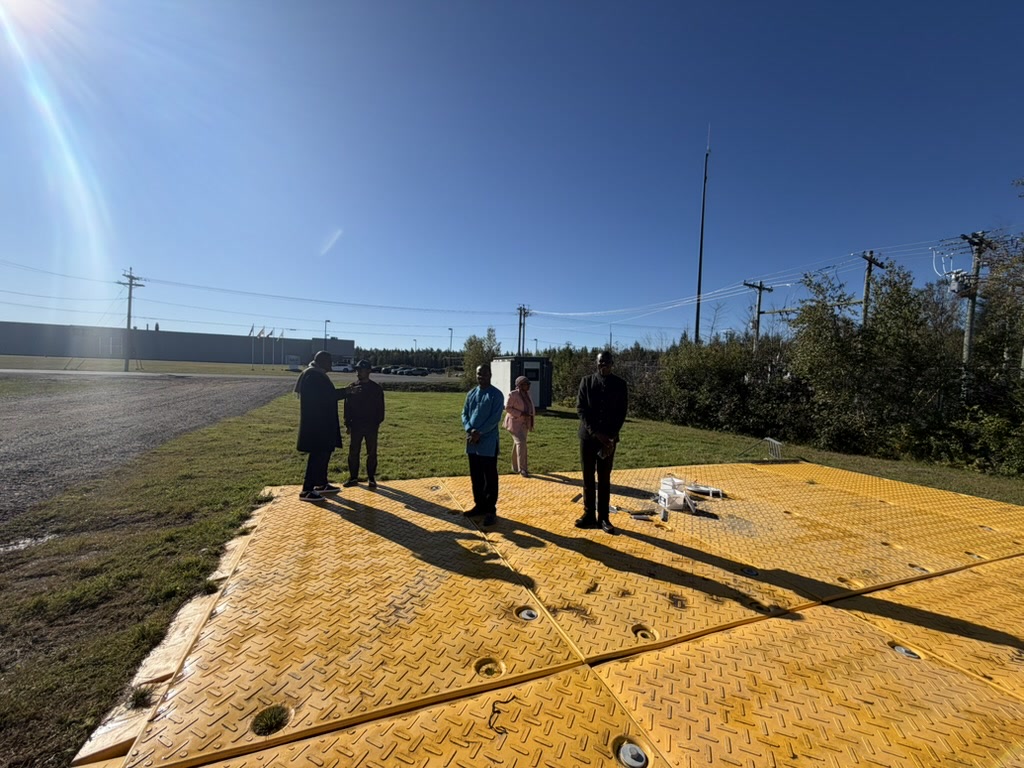
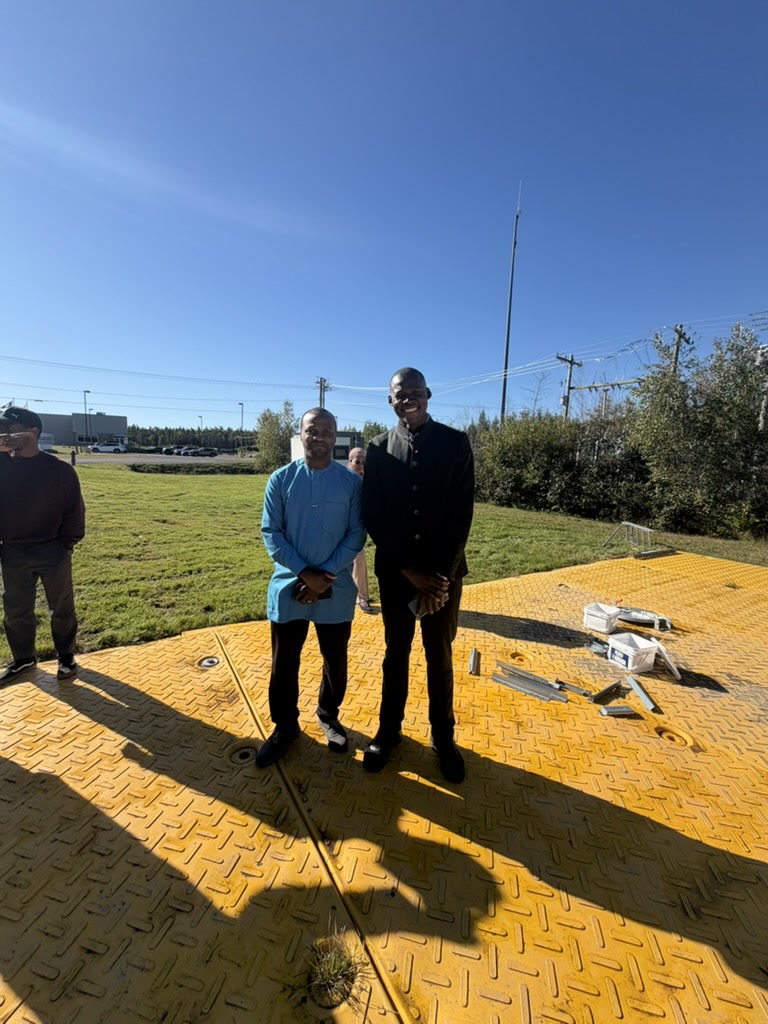
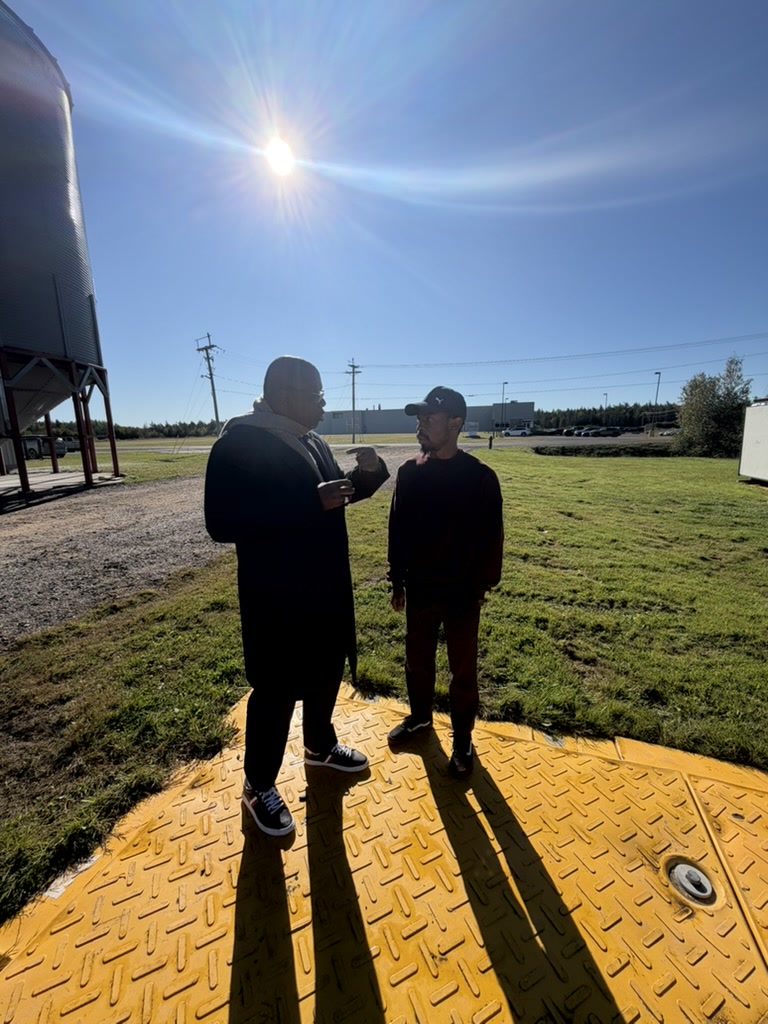
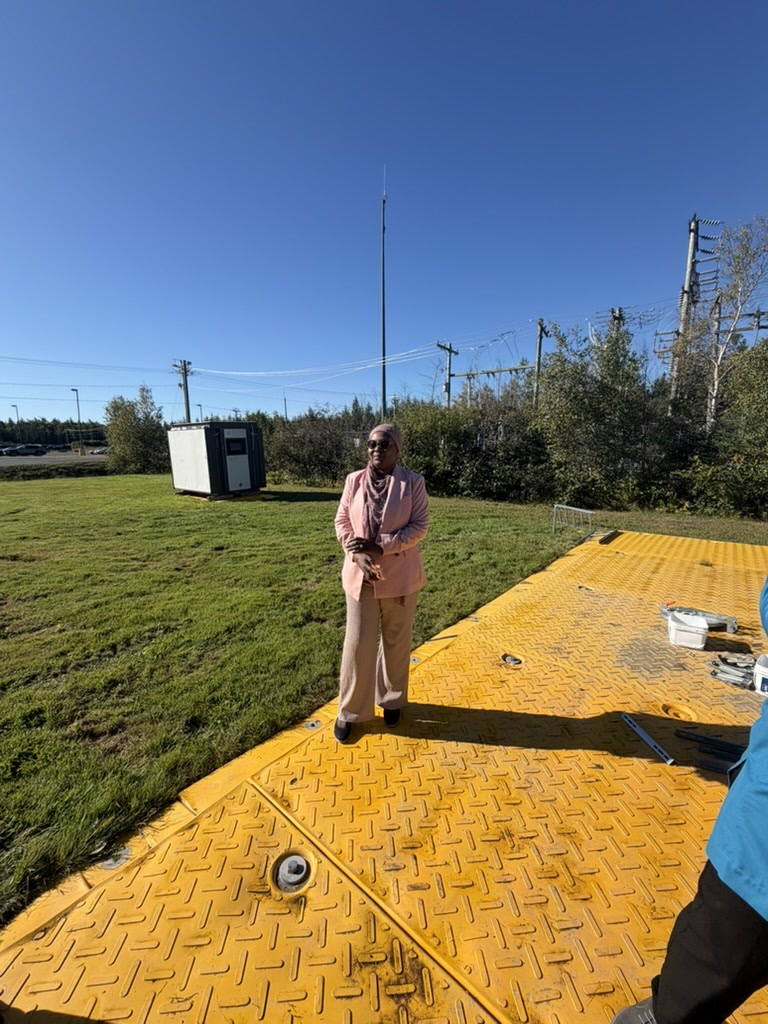
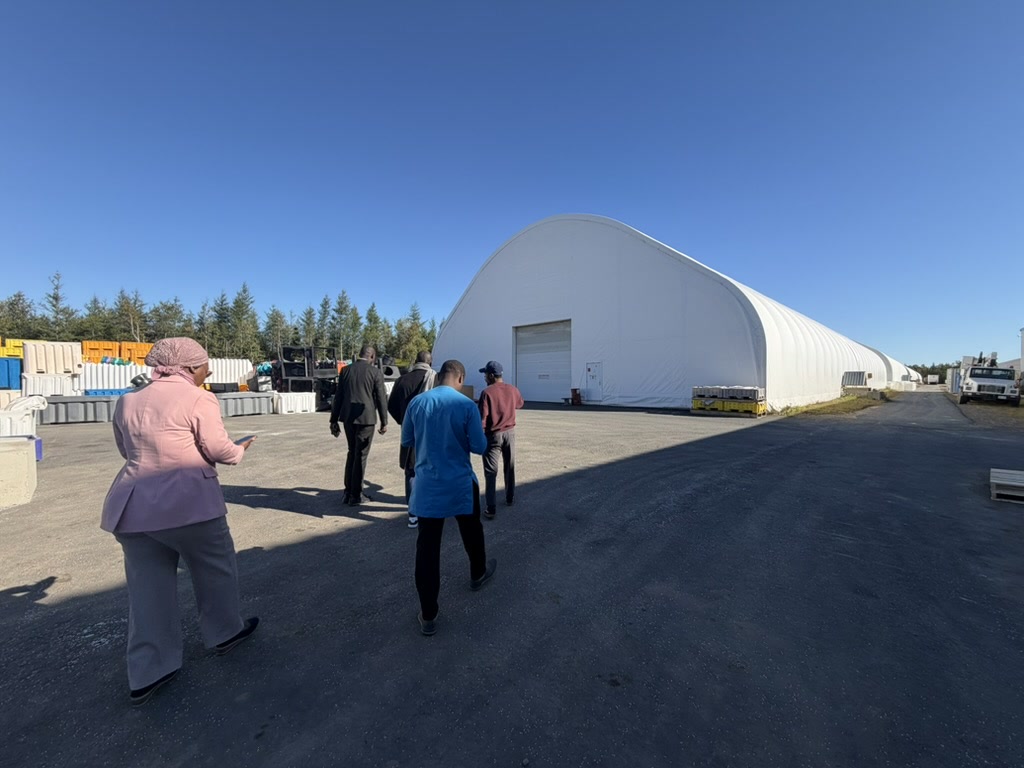
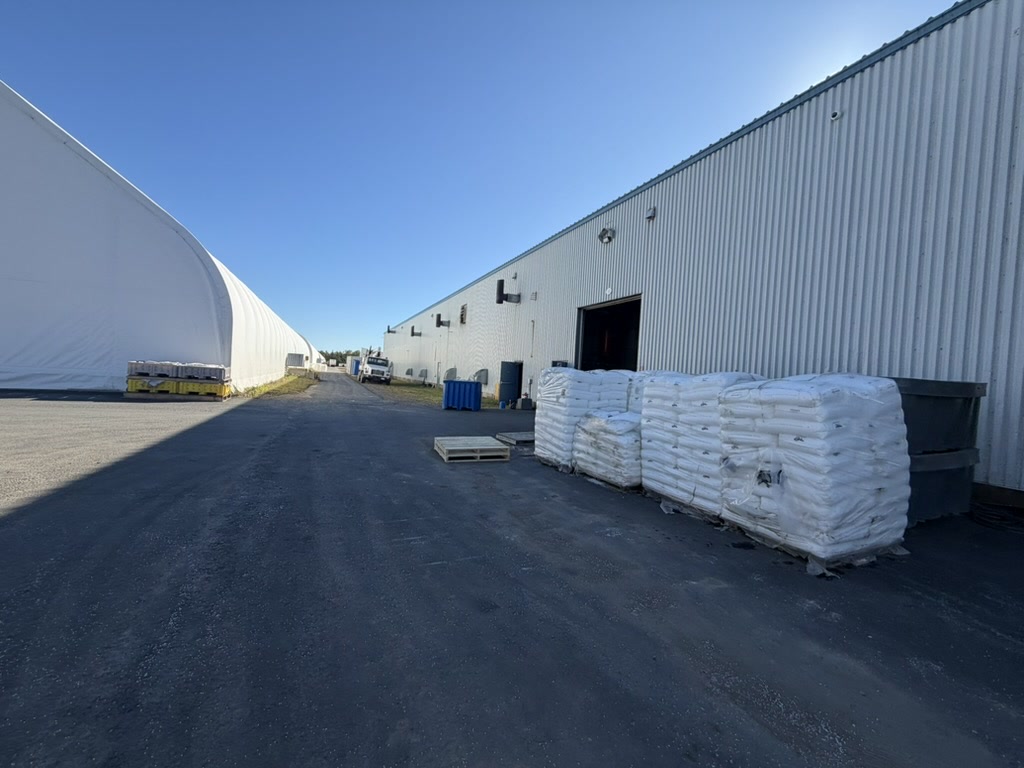
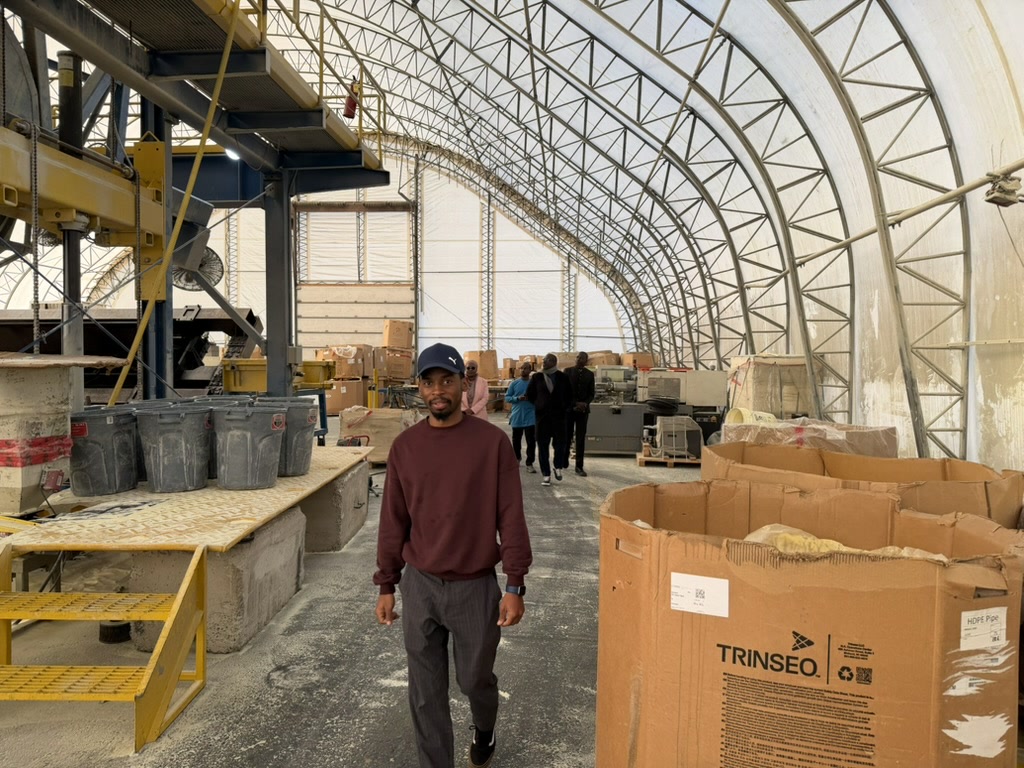
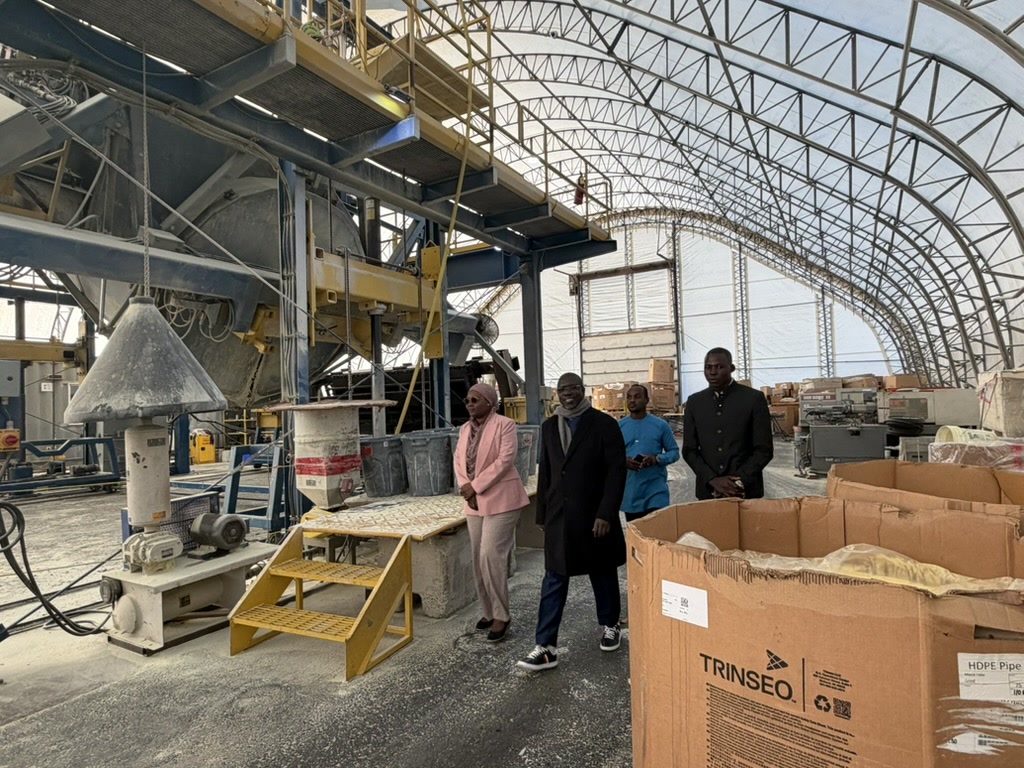
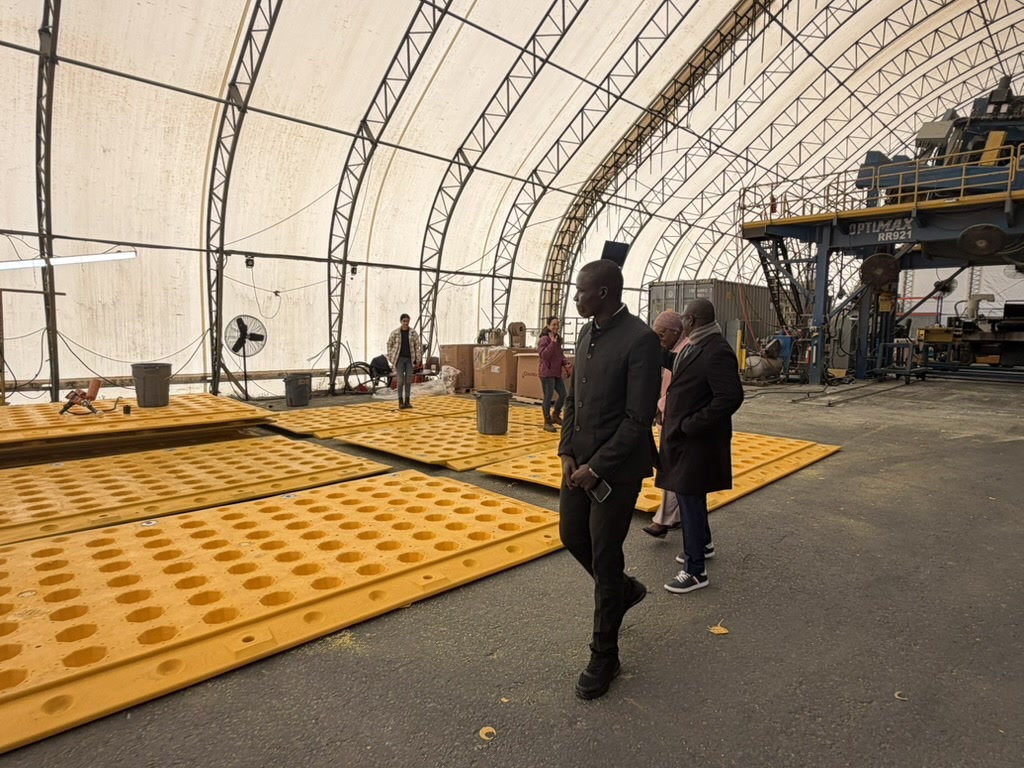
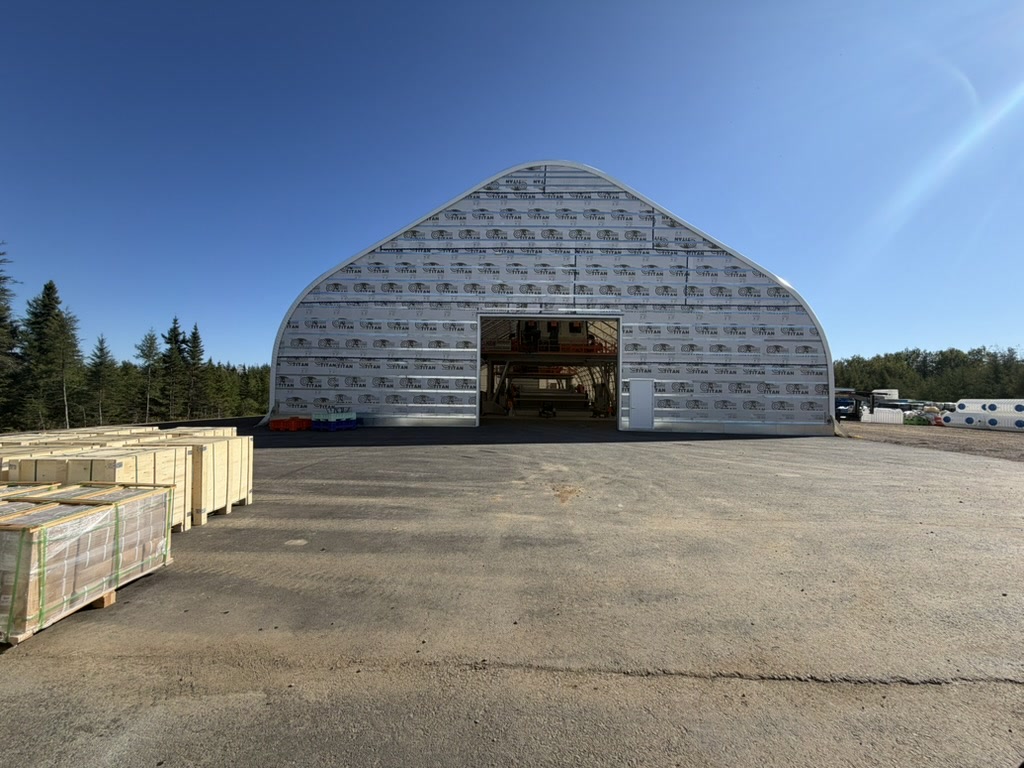
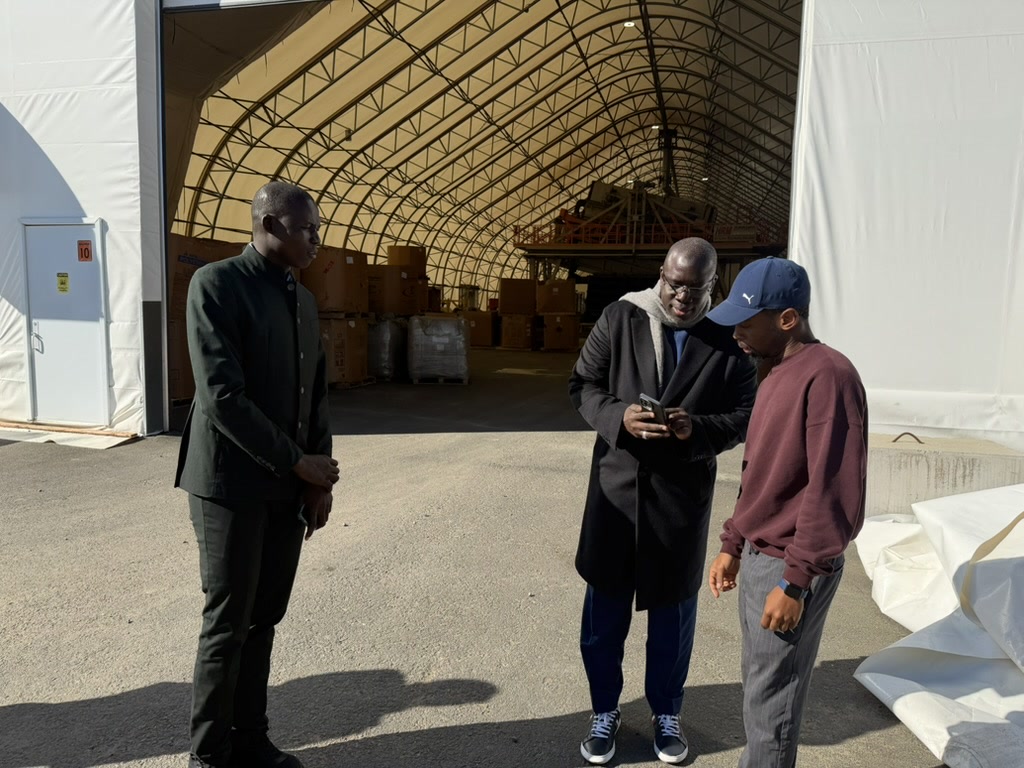
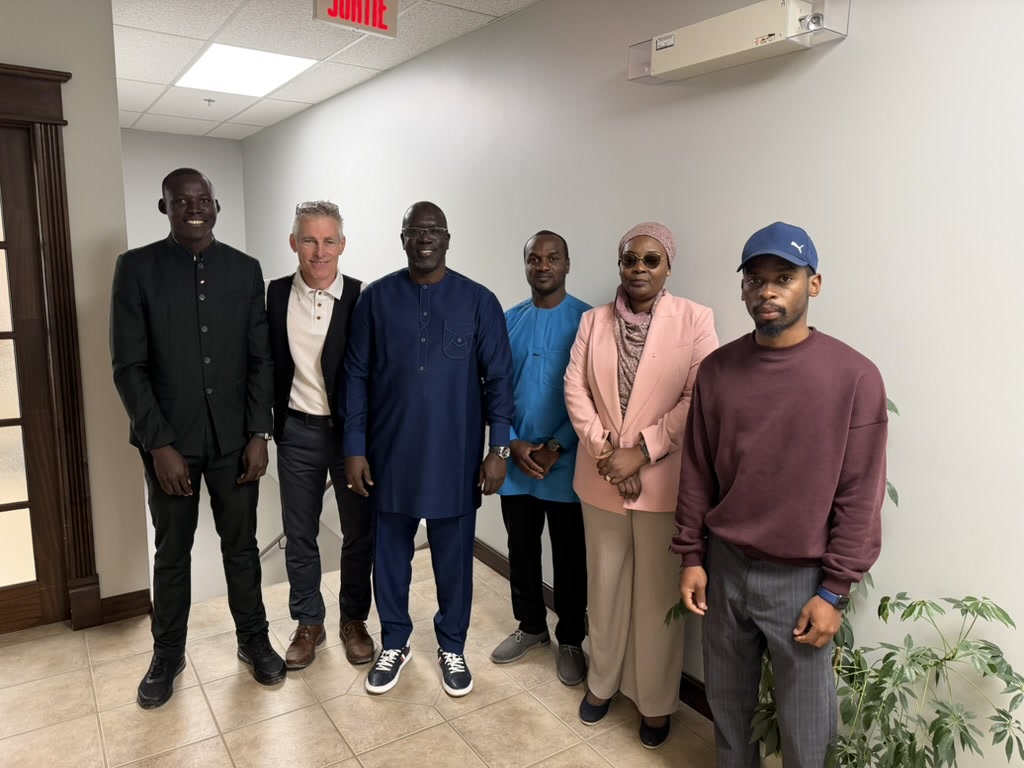
On September twenty-third, twenty twenty-six, Beyond welcomed a Senegalese delegation to New Brunswick. Discussions and a tour of the facilities connected ideas with the realities of production. Observing equipment, handling a material and understanding a process can make a new opportunity tangible.
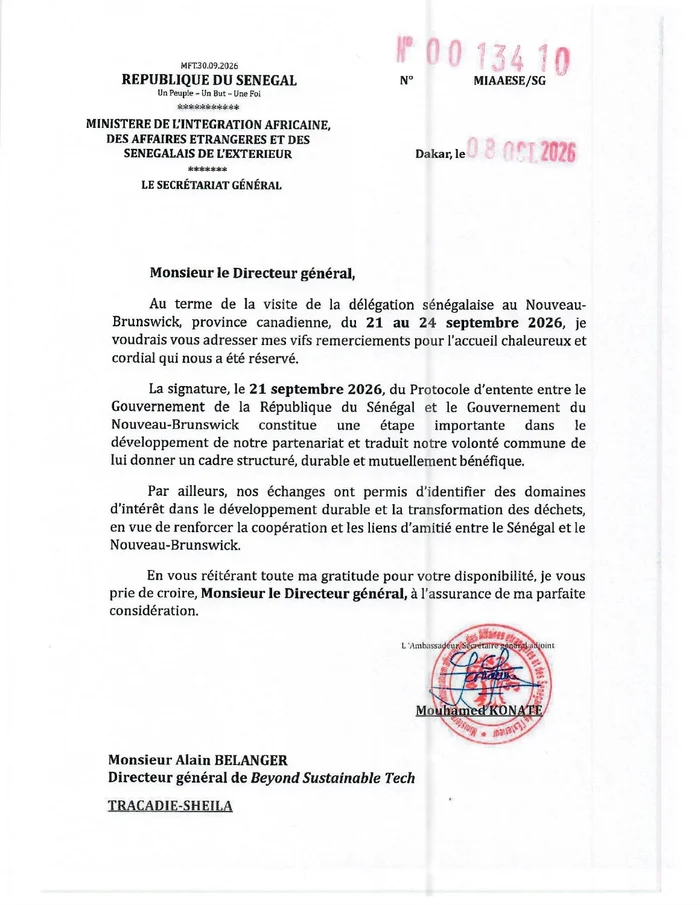
A letter dated October eighth, addressed to Alain Bélanger and signed by Ambassador Mouhamed Konaté, Deputy Secretary General of Senegal’s ministry responsible for foreign affairs, thanks Beyond for its welcome. It highlights shared areas of interest in sustainable development and waste processing. It also recalls the memorandum of understanding signed on September twenty-first between the governments of Senegal and New Brunswick. These exchanges create space for dialogue and useful cooperation.
Where should the work begin? With a simple question: what does the territory need, and which resources are already available? Underused biomass, a material that could be recovered, a workshop that needs organizing or a transport challenge can become the starting point of a value chain. The next step is to connect that resource with a useful application, customers, skills and an organization capable of reliable production.
Consider water and soils. A better understanding of water flows, water retention, fertility and biodiversity could help shape practices suited to the local landscape. Intercropping, biomass management and biochar could contribute to that approach. Their effects would need to be developed and measured according to the soils, materials and local conditions. Carbon value would complement the benefits sought for water and fertility.
Another avenue is turning waste into useful materials. The challenge goes beyond making a first product. It involves organizing collection, understanding feedstocks, defining quality requirements, choosing processes and preparing practical applications. A value chain takes shape when those steps work together, with clear responsibilities and identified markets.
This is where Beyond could contribute: business structuring, management and implementation. Its manufacturing experience could support workshop organization, production methods, quality, maintenance, sanitary practices and compliance. Sensors, factory air monitoring, product and equipment traceability, and logistics could help teams understand operations and make decisions based on evidence.
What about learning? Training would connect directly to the work to be done. Learn a task, practise it, verify its quality and then pass the skill on. Artificial intelligence could explain a concept, help prepare a task and adapt exercises. Experienced people would remain essential to guide practice and validate skills in the field.
That journey can begin early, with curiosity, observation and collaboration through age-appropriate activities. It can then develop into technical proficiency, team management and entrepreneurship. The aim would be to help people participate in the local economy and create their own place within it.
To move forward, partners could choose a shared priority, bring together the right skills and define an achievable first step. They could track a few concrete indicators: production quality, skills acquired, operational reliability and observed effects on the territory. What they learn would inform the decisions that follow.
Senegal twenty thirty-five is an invitation to connect territory, materials, skills and enterprise. Equip the people who will produce. Build the production that enables entrepreneurship. And develop cooperation that creates value locally, together.
01A different approach
An economy that learns
Education helps shape the economy. They grow together.
- 01Opportunity
- 02Technology
- 03Skills
- 04Production
- 05Entrepreneurs
02Turning challenges into opportunities
A contribution to develop: business structuring, management and implementation.
Four areas where learning becomes production.
Each challenge connects a material, a technology, skills and a business opportunity.
01
Biochar
Biomass → water and fertility → carbon value
02
Unrecovered plastics
Waste → materials → infrastructure
03
AI + data
Complexity → intelligence → decisions
04
Manufacturing
Ideas → prototypes → production
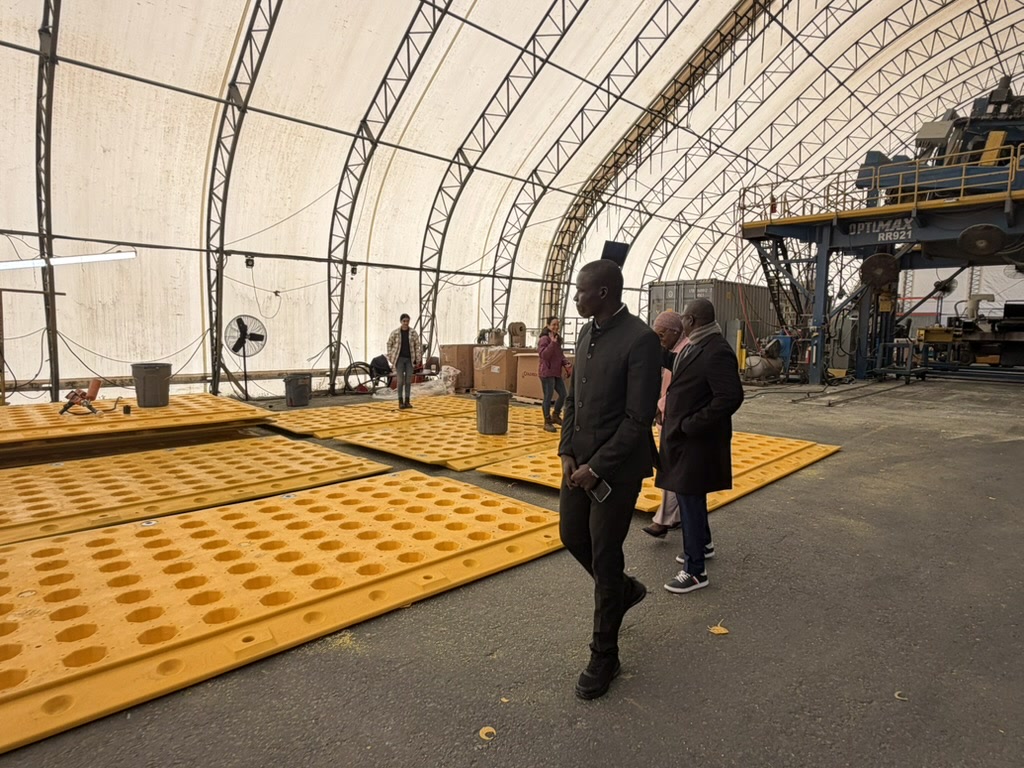
Imagine this approach in Senegal
A resource. A value chain. Capabilities.
A value chain becomes a learning ecosystem when each step develops production, skills and entrepreneurs together.
Biomass value chain
- Biomass
- Biochar
- Agriculture
- Food
- Processing
- Markets
Materials value chain
- Waste
- Materials
- Manufacturing
- Infrastructure
03Technology + AI
Learning through practical techniques
Learn. Practise. Master.
Technology personalizes the journey. Field practice makes skills visible.
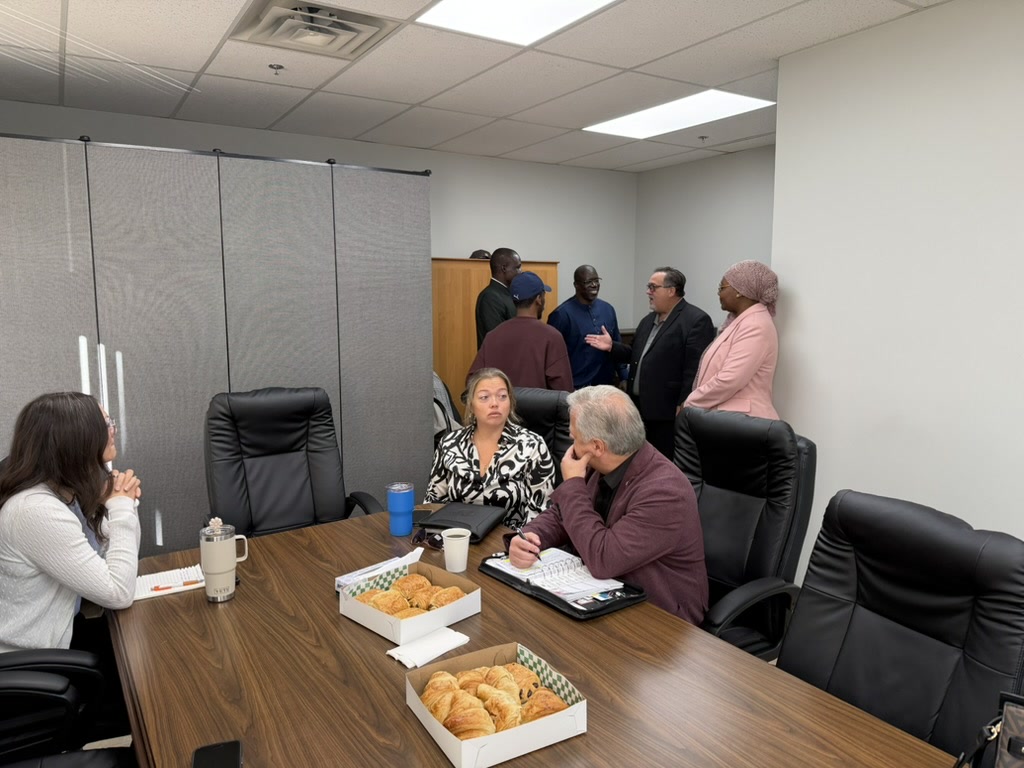
Learning pathway · concept
On a phoneVideos · knowledge · AI assistant
In the fieldSchedule · practise · build
In a personal profileSkills · quality · progress
“Skills are demonstrated through practice.”
Ages 5–15
Curiosity · movement · collaboration · independence
Ages 15+
Skills · practice · productivity
Professional
Produce · solve · adapt
Entrepreneur / leader
Create · employ · share knowledge
From ideas to action
An idea becomes a next step.
Explore the podcast’s ideas, apply them to a real challenge and develop your mission here with an AI copilot.
- 01
Explore An idea from the experience
- 02
Apply To your real challenge
- 03
Continue With the Mission 2035 copilot
2035 guide Topic guide · secure AI copilot
Your exploration starts here.
Ask your question, then select Explore to get a summary and apply it to your situation.
The full presentation
Eight ideas. One direction.
A page that keeps growing
The mission journal.
On , Beyond Sustainable Tech welcomed the Senegalese delegation for its first visit to the company. This journal preserves the encounter and can grow as the project develops.
The podcastNew edition · FR / EN / ES
The presentationAvailable · 8 cards
Field photosView all 18 photos
Decisions and next stepsTo develop together
First visit ·
Field photos.
Eighteen images of the meeting and facility tour. Select a photo to view it full size.
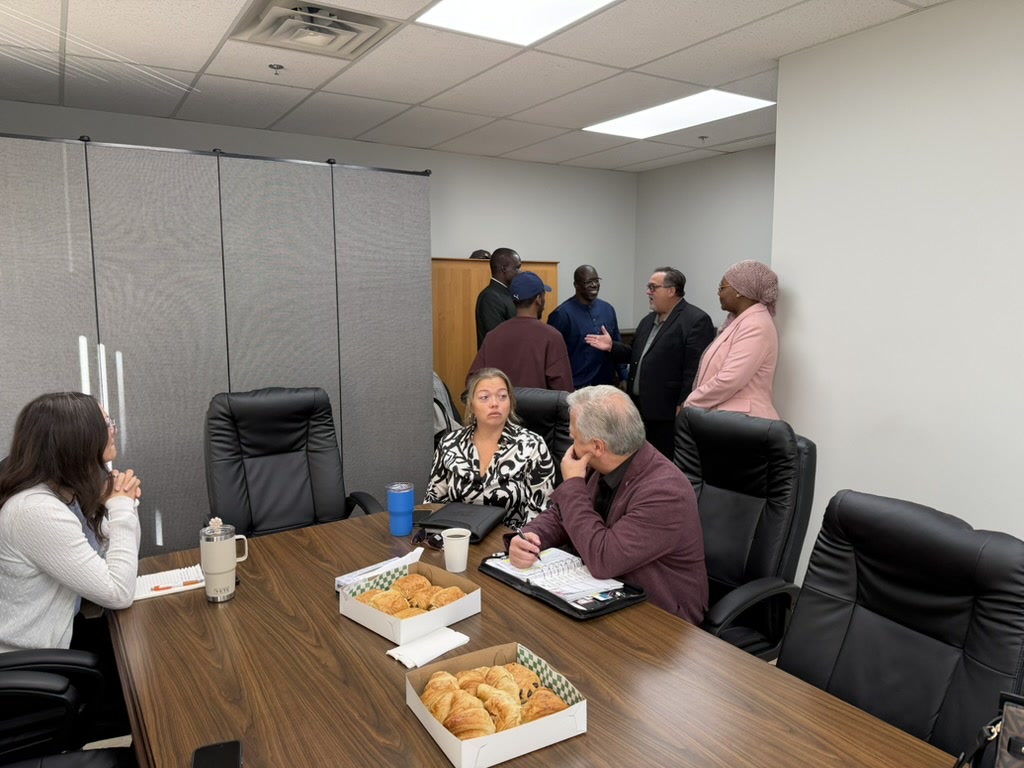
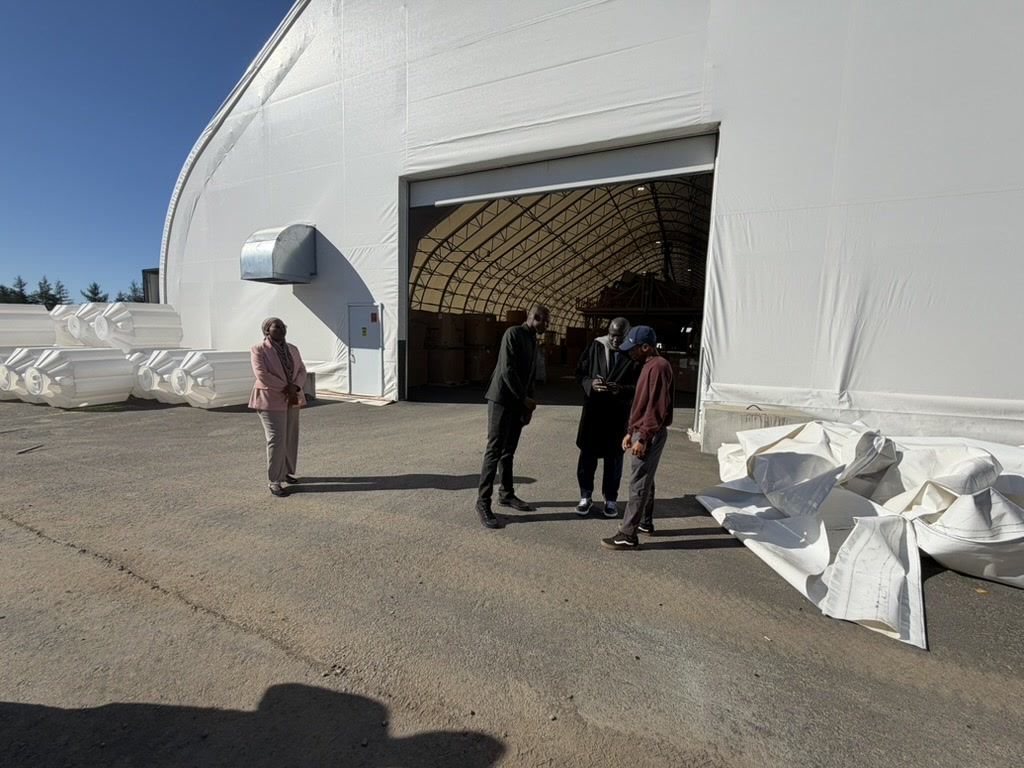
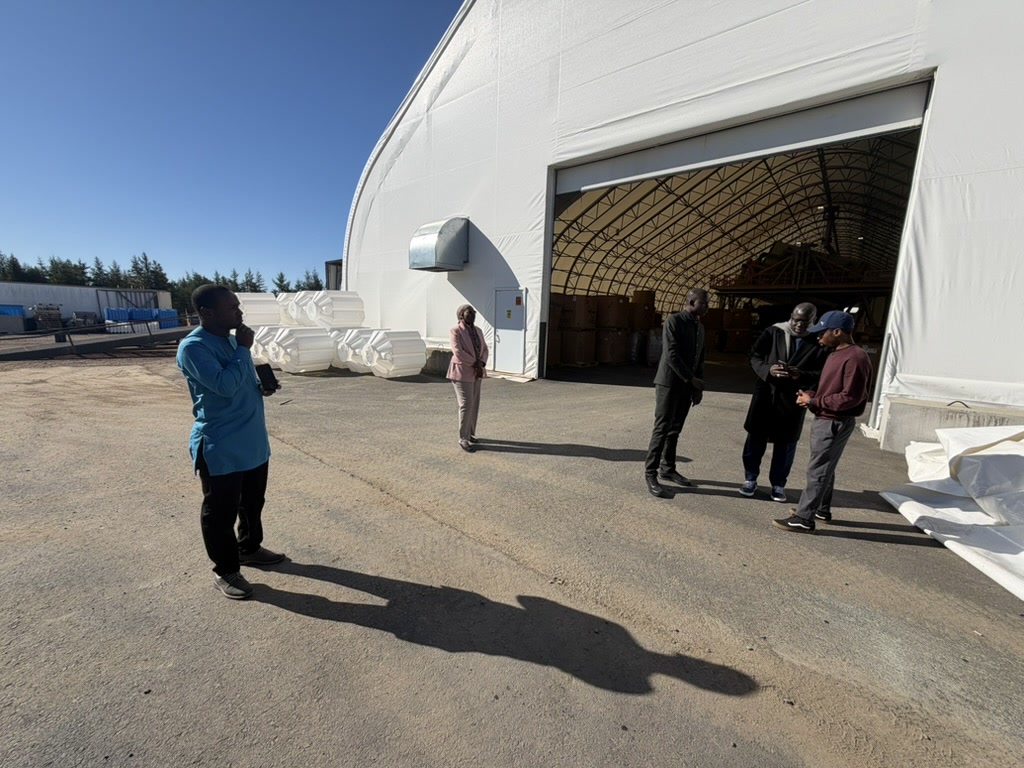
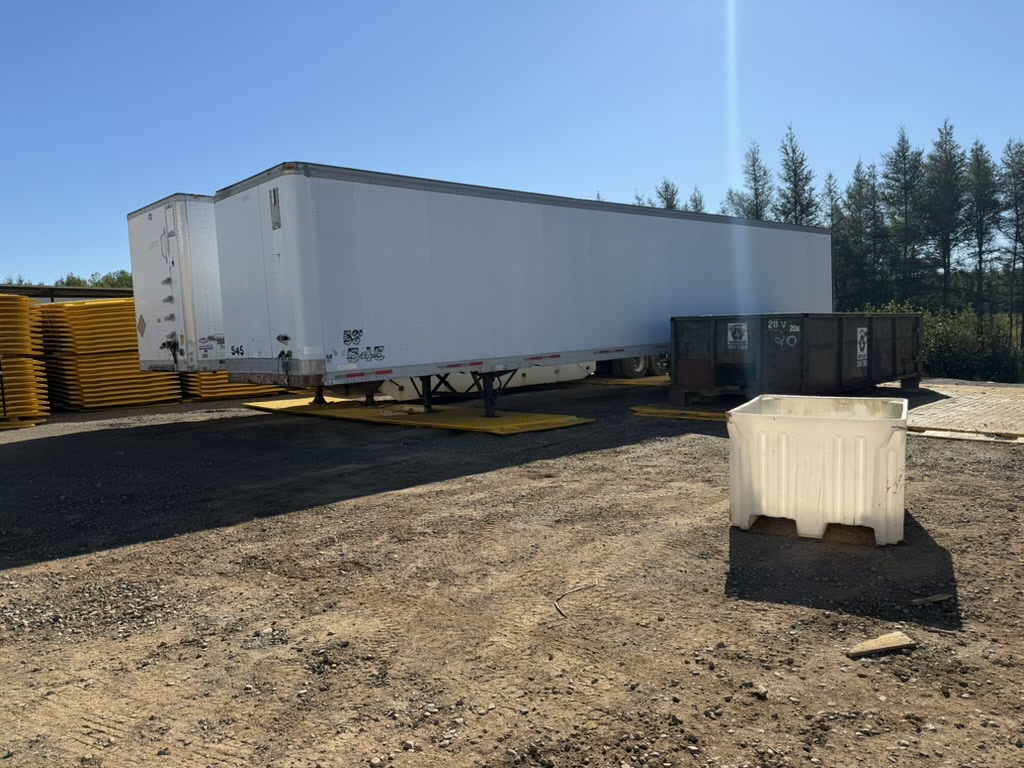
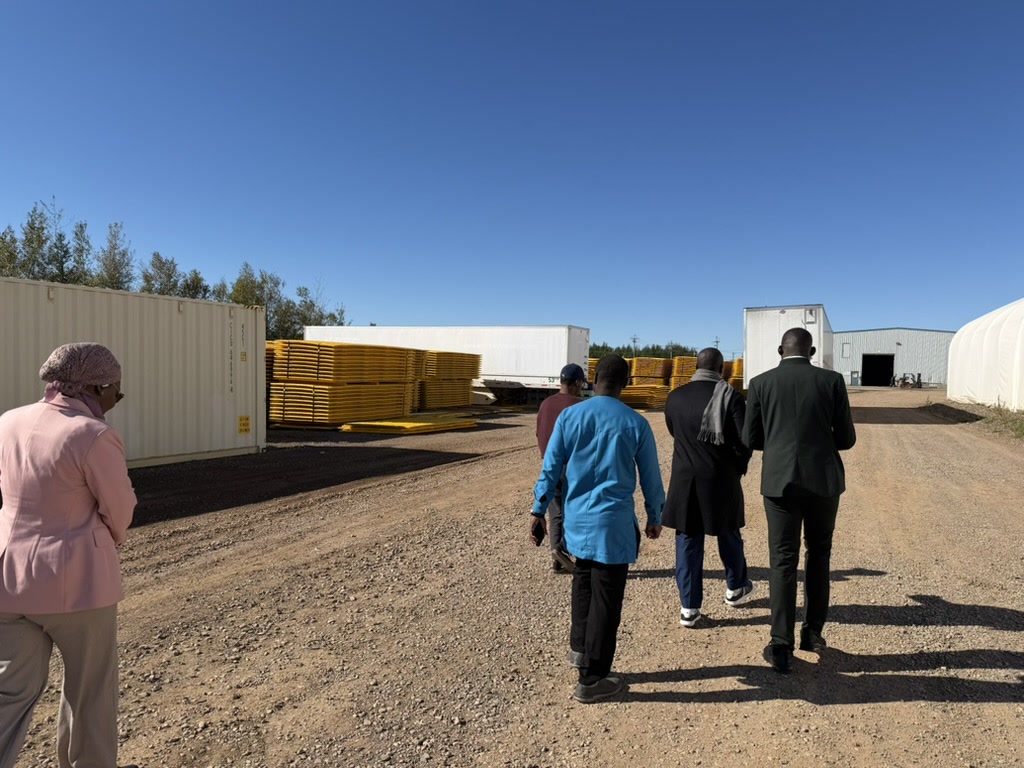
Senegal · New Brunswick cooperation
A dialogue that continues.
Following the Senegalese delegation’s visit to New Brunswick from September 21 to 24, 2026, the Ministry of African Integration, Foreign Affairs and Senegalese Abroad sent a letter of thanks to Alain Bélanger, CEO of Beyond Sustainable Tech.
Dated October 8, 2026 and signed by Ambassador Mouhamed Konaté, Deputy Secretary General, the letter highlights discussions on sustainable development and waste processing. It recalls the memorandum of understanding signed on September 21, 2026 between the governments of Senegal and New Brunswick.
These exchanges provide a starting point for exploring cooperation that brings together local skills, business structuring and production capabilities.
October 8, 2026 · Official correspondenceRead the original letterPDF · French originalThe conversation continues here. See. Touch.
See. Touch.
Test. Imagine.
Let’s build together what Senegal could then produce locally.


Scan to shareSenegal 2035